


Understanding the psychological effects of gambling on decision-making processes
The Influence of Cognitive Biases
Cognitive biases play a significant role in how individuals make decisions while gambling. Common biases, such as the illusion of control, lead players to believe they can influence the outcome of games of chance. For instance, a gambler may think that their specific strategies can sway the results of a slot machine or card game, despite the inherent randomness involved. This misconception can lead to excessive risk-taking and poor decision-making. In Canada, players can benefit from insights into https://nrlrush.ca/ no ID verification casinos that facilitate seamless gaming experiences.
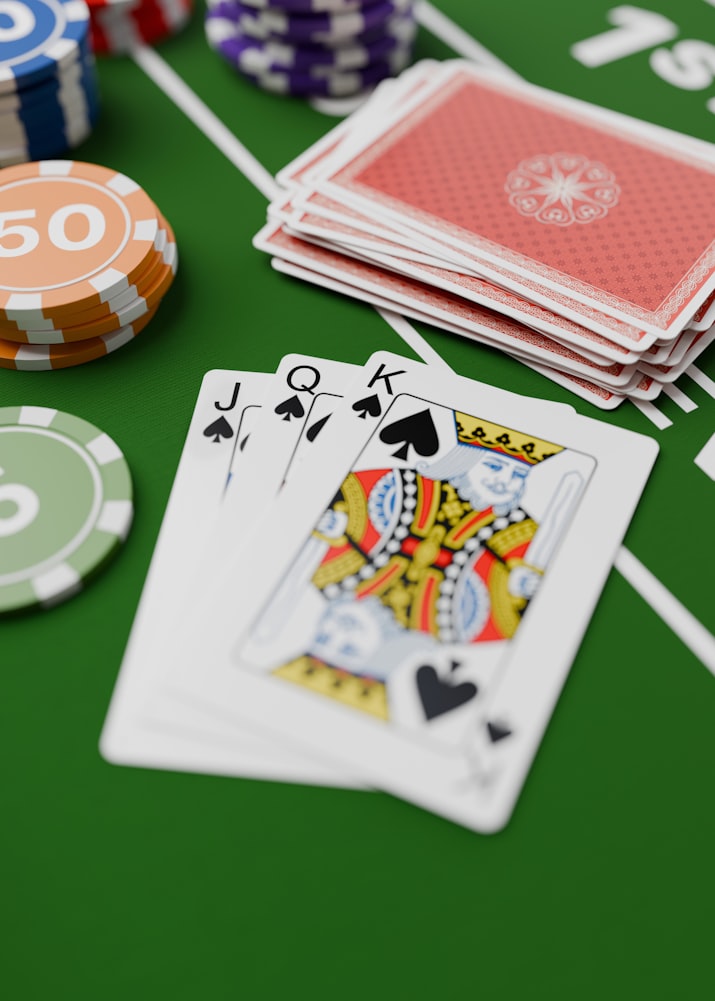
Another prevalent bias is the gambler’s fallacy, where individuals mistakenly believe that past outcomes will affect future results. For example, if a player observes a particular number not appearing frequently in roulette, they may assume it is “due” to win. This flawed reasoning can encourage irrational betting patterns, contributing to financial losses and escalating gambling behaviors. Understanding these biases is crucial for recognizing how they impact decision-making.
Awareness of cognitive biases can help gamblers make more informed choices. By educating themselves about these psychological pitfalls, players can recognize when their judgment may be clouded, potentially leading to more rational and calculated decisions in gambling scenarios. Such insight can be pivotal in mitigating the risks associated with gambling addiction and financial instability.
Emotions and Impulse Control
Emotional states significantly affect decision-making in gambling environments. High-stakes situations can invoke feelings of excitement or anxiety, often leading to impulsive choices. For instance, a player who experiences a winning streak may feel euphoric, prompting them to increase their bets without considering the potential downsides. This emotional high can overshadow rational thinking and lead to reckless behavior.
Conversely, losses can trigger negative emotions, such as frustration or despair, which can similarly impair judgment. A player on a losing streak may engage in “chasing losses,” betting larger amounts in an attempt to recoup their earlier losses. This emotional response can result in a dangerous cycle of gambling, driven by the desire to regain a sense of control and satisfaction. For those interested, exploring some of the available no ID verification casinos can provide a quick entry into the gaming world.
Developing emotional regulation skills can be crucial for gamblers to maintain better decision-making practices. Recognizing when emotions are clouding judgment allows individuals to pause, assess their situation, and avoid impulsive choices. Learning coping strategies, such as mindfulness or setting strict betting limits, can aid in mitigating the impact of emotions on gambling decisions.
Social Influences and Group Dynamics
The social environment plays a pivotal role in shaping gambling behaviors and decision-making processes. Gamblers are often influenced by the behaviors and attitudes of those around them, which can lead to either positive or negative outcomes. For instance, a group of friends celebrating a win at a casino may encourage one another to continue betting, creating a sense of camaraderie that further fuels reckless behavior.
Conversely, social pressures can also deter responsible gambling practices. Individuals may feel compelled to gamble in social situations to fit in or impress peers, leading to decisions that they might not have made alone. The desire to maintain social relationships can cloud judgment and result in financial consequences that affect not just the individual but their social circle as well.
Understanding the dynamics of group influence can empower gamblers to make more conscious choices. By recognizing how social interactions can impact their decision-making, individuals can establish boundaries and prioritize their financial well-being over social pressures. Engaging in discussions about responsible gambling with peers can also promote healthier attitudes toward gambling practices.
The Role of Reward Systems in the Brain
The brain’s reward system plays a crucial role in the psychological effects of gambling. When a player wins, the release of dopamine creates feelings of pleasure and reinforces the behavior, encouraging them to gamble again. This biochemical response can lead to repeated gambling as individuals seek to replicate the enjoyable sensations associated with winning. Understanding this brain chemistry can shed light on why gambling can quickly become addictive.
Moreover, the unpredictable nature of gambling outcomes can amplify the reward system’s response. When wins are sporadic, players may chase those high moments, which further entrenches them in the gambling cycle. This unpredictability can make it challenging for individuals to recognize the risks associated with excessive gambling and may lead to the development of harmful habits.
To counteract the influence of the brain’s reward system, individuals can benefit from strategies that focus on self-awareness and mindfulness. By becoming attuned to their emotional responses and recognizing the triggers that lead to impulsive gambling, individuals can work to cultivate healthier habits and reduce the likelihood of addiction. Engaging in alternative activities that provide fulfillment outside of gambling can also support a more balanced lifestyle.

Explore Responsible Gambling Resources
For those looking to understand the psychological effects of gambling better and navigate their gaming experiences, various resources are available. Websites dedicated to responsible gambling offer insights into managing emotions, setting limits, and recognizing cognitive biases. These tools can empower individuals to make informed decisions that align with their values and financial goals.
Moreover, many casinos now provide educational materials and support services to promote responsible gambling practices. These initiatives highlight the importance of self-regulation and mental well-being in the context of gambling. Players are encouraged to take advantage of these resources to better understand their behaviors and make choices that promote their overall health.
By engaging with responsible gambling platforms and communities, individuals can foster a healthier approach to their gaming habits. The emphasis on informed decision-making can lead to more fulfilling experiences, allowing players to enjoy gambling without falling victim to its psychological pitfalls. Exploring these resources can be a vital step toward achieving balance in one’s gambling activities.