


Exploring the historical evolution of gambling practices through the ages
The Ancient Roots of Gambling
The origins of gambling can be traced back thousands of years to ancient civilizations. Archaeological findings reveal that the Chinese played rudimentary games of chance as early as 2300 BC, utilizing dice made from animal bones. These games served not only as entertainment but also as methods for divining fortune and making decisions in both daily life and significant matters. Similarly, in ancient Rome, gambling was prevalent among soldiers and civilians, with various games and betting on gladiatorial contests widely accepted. For modern players looking to enjoy a diverse selection of games, Slotzania casino offers an engaging platform to explore.

In ancient Greece, the Greeks also engaged in gambling, often associating it with luck and divine favor. They utilized various forms of gaming, including the game of knucklebones, which is similar to modern-day jacks. This cultural acceptance laid the groundwork for gambling’s integration into social activities, elevating it from a mere pastime to a significant aspect of community gatherings and celebrations. Festivals frequently included gambling events, signifying its importance in ancient social life.
The influence of gambling practices in these ancient societies extended beyond mere entertainment. They often carried spiritual significance, serving as a connection to the divine. Sacred rituals involving games of chance were common, as it was believed that the outcomes reflected the gods’ will. This intertwining of gambling with spirituality and community life illustrates the multifaceted role it played in ancient cultures, establishing a legacy that would evolve through the ages.
The Middle Ages and the Rise of Formal Gambling
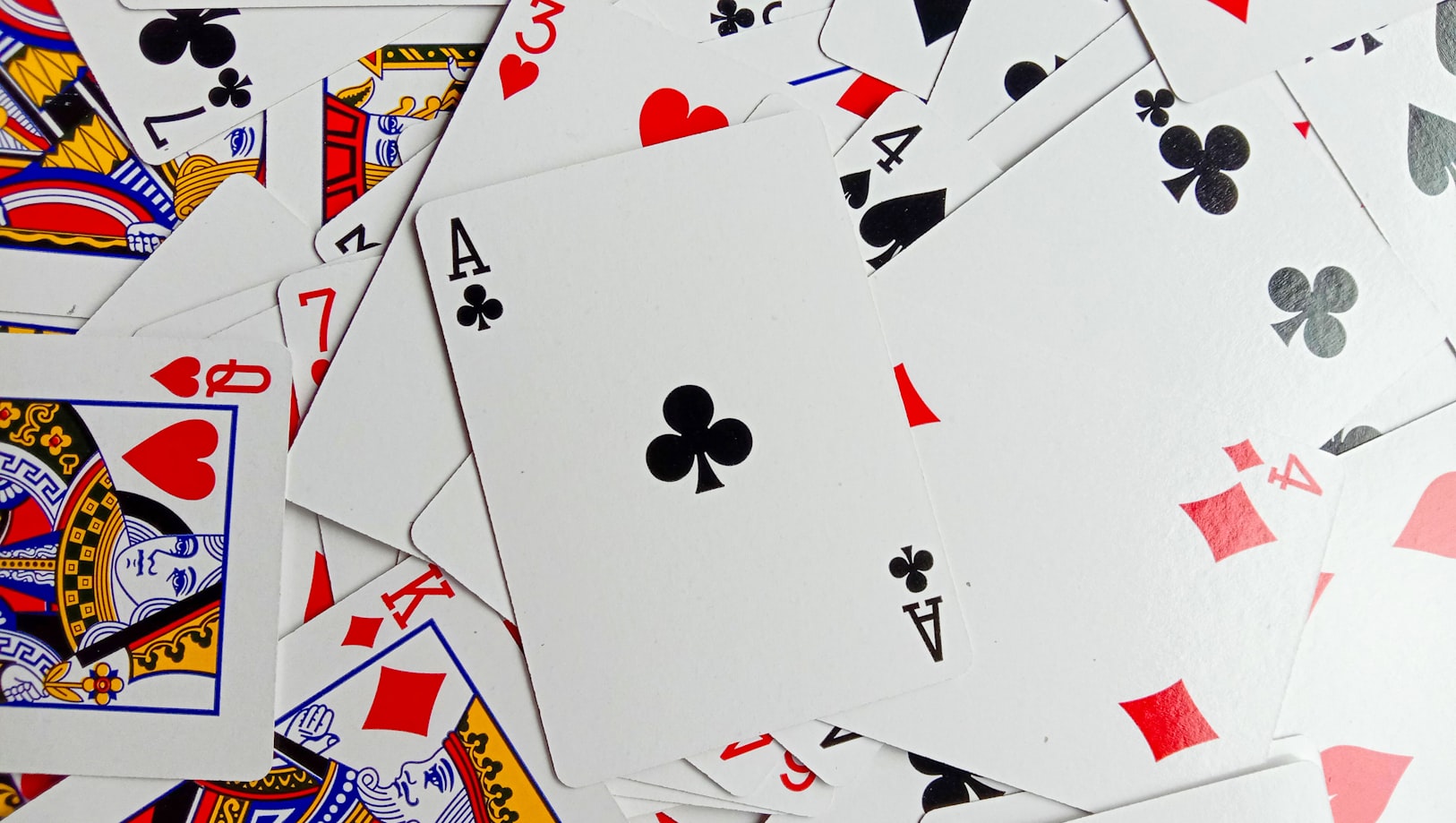
During the Middle Ages, gambling underwent significant transformations, particularly in Europe. The period saw the advent of more structured forms of gambling, such as card games and the establishment of gaming houses. The invention of playing cards in the 14th century brought a new dimension to gambling, leading to a surge in popularity across the continent. Initially introduced as a means of entertainment among the elite, card games eventually trickled down to the masses, further embedding gambling into societal norms.
As formal gaming houses began to emerge, regulations started to be established around gambling practices. Governments recognized the economic potential of gambling and began to impose taxes, creating a formal framework that allowed it to flourish. In England, the Gaming Act of 1845 regulated betting houses, highlighting the shift from underground gambling to a more recognized and legitimized industry. This legal acknowledgment paved the way for the development of casinos, which would become significant players in the gambling landscape.
The Middle Ages also witnessed the emergence of lotteries, a form of gambling that was often used to raise funds for public projects. These lotteries were seen as a civic duty, allowing citizens to participate in funding initiatives while potentially winning large sums. The combination of entertainment and community benefit made lotteries an appealing venture during this period, setting the stage for their continued popularity in subsequent centuries.
The Age of Enlightenment and Gambling’s Evolution
The Age of Enlightenment brought about a wave of change in gambling practices, reflecting broader societal shifts towards reason and individualism. With the rise of the bourgeoisie in the 18th century, gambling became increasingly associated with social status and sophistication. The first official casino, the Casino di Venezia, opened its doors in Italy in 1638, marking a pivotal moment in the formalization of gambling. This establishment set the standard for subsequent casinos across Europe, where opulence and luxury became synonymous with gaming experiences.
The Enlightenment period also led to the development of various gambling systems and strategies, as mathematicians and philosophers began to explore the probabilities involved in games. Figures like Blaise Pascal and Pierre de Fermat laid the groundwork for probability theory, which would later influence gambling strategies and practices. This intellectual exploration transformed gambling from a game of pure chance to one that involved calculated risks, enticing a more informed player base.
Moreover, the growing acceptance of gambling during the Age of Enlightenment signified a societal shift, where the stigma surrounding gambling began to fade. It was now seen as an acceptable form of entertainment among the upper classes, and literature often romanticized the gambler as a figure of intrigue and sophistication. This cultural evolution contributed to the increasing prevalence of gambling in society, foreshadowing its future as a mainstream activity.
The Modern Era and Technological Advancements
The 20th century marked a significant turning point for gambling, characterized by rapid advancements in technology and the establishment of Las Vegas as the global gambling capital. The legalization of gambling in Nevada in 1931 allowed for the development of large-scale casinos, transforming the landscape of gaming. Las Vegas quickly became synonymous with entertainment, luxury, and, of course, gambling, attracting millions of visitors from around the world each year.
The introduction of electronic gaming machines in the mid-20th century revolutionized the gambling industry, bringing forth a new era of gaming. Slot machines, initially simple mechanical devices, evolved into sophisticated electronic machines with engaging graphics and themes, appealing to a broader audience. This innovation not only increased revenue for casinos but also made gambling more accessible to casual players, altering the demographic of the gambling community.
Additionally, the rise of the internet in the late 20th and early 21st centuries transformed gambling practices once again. Online casinos emerged, allowing players to gamble from the comfort of their homes. This digital revolution created a new frontier for gambling, expanding access and introducing innovative formats like live dealer games. Players now have a plethora of options, from traditional table games to immersive slots, showcasing how technology has continuously shaped the evolution of gambling.
Slotzania: The Future of Online Gambling
As the landscape of gambling continues to evolve, platforms like Slotzania are redefining the online gaming experience. Established in 2026, Slotzania offers a vast selection of slots and live dealer games, catering to both novice and seasoned players. The site emphasizes a seamless gaming experience, allowing users to enjoy their favorite games on various devices, from desktops to mobile phones, ensuring convenience for all.
Slotzania also stands out with its commitment to security and customer support. Players can engage in gambling with peace of mind, knowing that their transactions are safeguarded. The platform offers fast crypto payments and instant withdrawals, addressing the growing demand for efficient and modern payment methods in the gaming industry. This focus on user experience demonstrates Slotzania’s dedication to providing a top-notch gambling environment.
With a welcoming bonus of up to $1,000 or 50 free spins for new users, Slotzania invites players to explore the vast world of online gambling. As the industry continues to innovate, platforms like Slotzania are at the forefront, merging technology with tradition to create an engaging and secure gaming environment that meets the needs of today’s players.